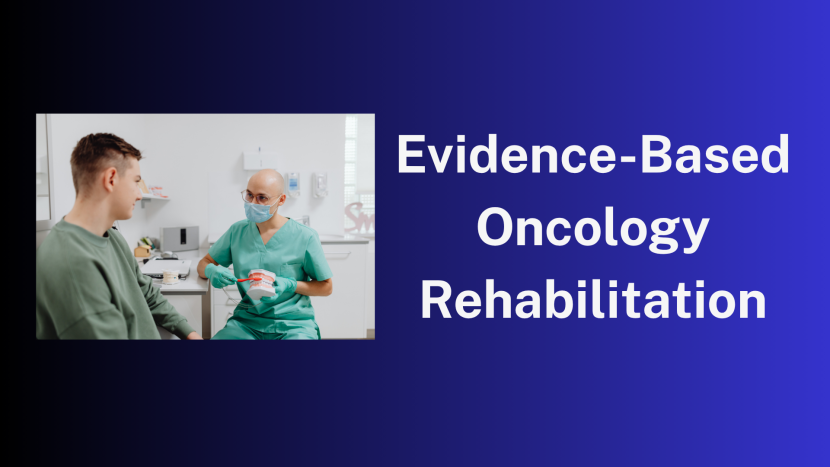
Evidence-Based Oncology Rehabilitation
Evidence-Based Oncology Rehabilitation: A Comprehensive Approach to Recovery
As the field of oncology continually evolves, evidence-based practices in rehabilitation are becoming increasingly vital for enhancing the quality of life for cancer survivors. Effective oncology rehabilitation encompasses a multidisciplinary team approach that integrates aerobic exercises, strength training, and precise pacing techniques tailored to individual needs. This article explores how these elements work together to optimize recovery and improve overall health outcomes for cancer patients.
The Importance of Oncology Rehabilitation
Oncology rehabilitation is designed to address the myriad physical, emotional, and social challenges faced by patients undergoing cancer treatment. These challenges often result in decreased physical function, fatigue, and diminished quality of life. A focused rehabilitation program can mitigate these issues, helping patients regain strength, enhance endurance, and improve their psychological well-being.
Multidisciplinary Team Approach
A successful oncology rehabilitation program relies on a multidisciplinary team of professionals, including:
- Medical oncologists
- Physical therapists
- Occupational therapists
- Nutritionists
- Psychologists or counselors
This collaborative approach ensures that various aspects of a patient’s health are addressed. For instance, while physical therapists may focus on enhancing mobility and strength, nutritionists can help optimize dietary choices that support recovery. The combined expertise leads to a comprehensive plan tailored to each patient's unique circumstances.
Aerobic Exercises in Oncology Rehabilitation
Aerobic exercises play a crucial role in oncology rehabilitation programs. These exercises, such as walking, cycling, and swimming, help improve cardiovascular fitness and endurance, which can be significantly impacted by cancer treatments. Research indicates that engaging in regular aerobic activity can:
- Alleviate fatigue
- Enhance mood and reduce anxiety
- Boost immune function
- Improve overall functional capacity
Patients are encouraged to start with low-intensity activities, gradually increasing the intensity and duration as tolerated. This progression is pivotal for maintaining motivation and ensuring safety. Clinicians often recommend a frequency of at least 150 minutes of moderate-intensity aerobic activity each week, tailored to individual tolerances and capabilities.
Strength Training for Enhanced Recovery
In addition to aerobic exercise, strength training is fundamental to an effective oncology rehabilitation program. Muscle atrophy and weakness can occur as a direct consequence of cancer treatments, making strength training essential for recovery. The benefits of strength training include:
- Increased muscle mass and strength
- Improved balance and coordination
- Enhanced functional independence
- Better management of treatment side effects
Strength training programs typically incorporate both resistance exercises targeting major muscle groups and functional movements that simulate daily activities. Patients are often guided to perform strength training two to three times per week, with emphasis on proper technique and gradual progression to prevent injury.
Pacing: Finding the Right Balance
One of the significant challenges that cancer survivors face is managing fatigue, which can affect motivation and participation in rehabilitation activities. Pacing is a critical strategy that helps patients balance activity with rest. Effective pacing strategies include:
- Setting realistic, achievable goals
- Breaking tasks into smaller, manageable segments
- Incorporating regular rest periods
- Listening to one’s body and adjusting activity levels accordingly
Patients are encouraged to develop a daily schedule that prioritizes activities while incorporating necessary breaks. This individualized approach not only helps in managing fatigue but also promotes a sense of accomplishment and maintains engagement in the rehabilitation process.
Evidence-Based Practices in Oncology Rehabilitation
To ensure that oncology rehabilitation programs are effective, they must be rooted in evidence-based practices. Research has shown that patients who participate in structured rehabilitation programs have better outcomes compared to those who do not. Evidence-based practices include:
- Utilization of validated assessment tools to measure physical function and quality of life
- Regular adjustments to rehabilitation plans based on patient progress
- Incorporating patient feedback to tailor interventions
Implementing evidence-based strategies not only enhances the effectiveness of rehabilitation but also empowers patients by involving them in the decision-making process regarding their recovery journey.
Conclusion: A Holistic Approach to Cancer Recovery
In conclusion, evidence-based oncology rehabilitation offers a multifaceted approach to recovery. By integrating aerobic exercises, strength training, and effective pacing within a multidisciplinary team framework, patients can achieve significant improvements in their physical, emotional, and social well-being. The synergy of these elements not only fosters recovery but also enhances the overall quality of life for cancer survivors. As we continue to evolve our understanding of oncology rehabilitation, it is imperative to advocate for individualized, evidence-based practices that support every patient on their unique journey to recovery.
Article by Physiotherapy Online
Published 18 Mar 2026